Key takeaways
- Every line of the script needs a visual that matches it.
- Pick one main style and keep it, so viewers recognise your channel.
- Voice and sound carry a faceless video more than any single visual.
- Change the picture every few seconds, but keep the motion calm.
01What makes a faceless video work
A faceless video stands on three things: a tight script, a clear voice and visuals that match every line. When one of these is weak, viewers leave.
The script comes first. Short sentences, one idea per line and a strong opening question make the edit much easier.
02Five faceless editing styles
Stock footage storytelling
Licensed clips matched to each line of narration. It works for history, business, travel and explainer channels.
Motion graphics explainers
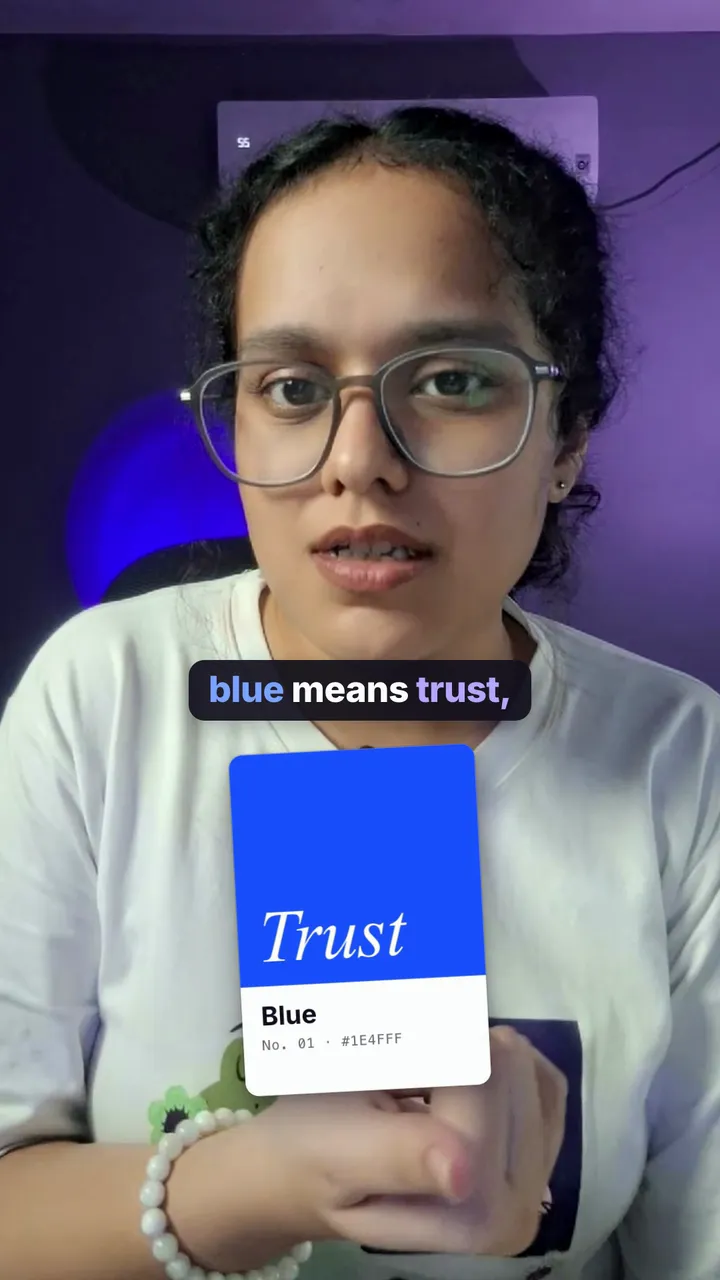
Animated text, icons, charts and maps. It suits topics with numbers, steps or ideas that are hard to film, like our explainer on what colours really mean.
Screen recording tutorials
App demos and walkthroughs, zoomed and highlighted so viewers can follow each click.
AI visual stories
Generated scenes for stories where no footage exists, kept in one consistent art style.
Kinetic text and quotes
Words that move with the voice. It is simple to produce and works well for quotes, lists and short reels.
 Our serviceFaceless video editingSee how we edit faceless videos
03Matching visuals to every line
The difference between a forgettable faceless video and a good one is how closely the picture follows the words. A simple method:
- Split the script into short lines.
- Write the visual for each line before editing: a clip, a graphic or text.
- Avoid generic clips. If the line says "small team", show a small team, not a busy office.
- Use a graphic whenever a number, list or comparison appears.
Want this done for your videos?
Send us your footage and a short brief. We reply within one working day with a plan, a price and a delivery date.
04Voice, music and pacing
With no face on screen, the voice is the personality of the channel. Record in a quiet room close to the microphone, or use an AI voice that suits the topic.
Music sits low under the voice, and small sound effects mark new sections and graphics. Change the picture every few seconds, but avoid fast, flashy transitions. They tire viewers on longer videos.
05Building a recognisable channel look
- One or two fonts, used the same way in every video.
- A small set of brand colours for text, shapes and highlights.
- The same intro length and the same end screen layout.
- A consistent caption style.
Viewers should know it is your video before they hear a word.
06Faceless reels and long-form YouTube
The same channel can run both, edited differently. Faceless reels open with a bold line and finish within a minute. Long-form YouTube videos build an argument over several minutes, with chapters and a clear structure.
Cutting reels from your long videos is a simple way to bring new viewers to the full version.
Frequently asked questions
Can faceless YouTube channels earn money?
Yes, as long as the videos add real value through original scripts, narration and editing, and use footage and music you are licensed to use.
Do I need to record my own voice?
No. You can record it yourself or use an AI voice. Either way, a clear voice is the most important part of a faceless video.
What footage can I use in faceless videos?
Licensed stock footage, your own screen recordings, motion graphics and AI visuals. Avoid clips from other creators' videos.
How long should a faceless YouTube video be?
Long enough to cover the topic well. Many faceless explainers run 8 to 15 minutes, while faceless reels stay under a minute.