Key takeaways
- The first two seconds decide whether a video gets watched, so openings are getting shorter and sharper.
- Captions are now part of the edit, because most short videos play with the sound off.
- One recording is edited into many formats: a full video, short clips and vertical versions.
- AI helps with scenes and voices, but the edit is still what makes a video feel finished.
01Hook-first openings
Viewers decide very quickly whether to keep watching. So editors now open on the strongest moment, such as the result, the reveal or the boldest line, and move the introduction later or cut it completely.
In practice, that means removing the "Hi, welcome back" and starting with the sentence that makes someone stay. If a video is about three mistakes, the first mistake appears on screen in the first second.
02Animated, word-by-word captions
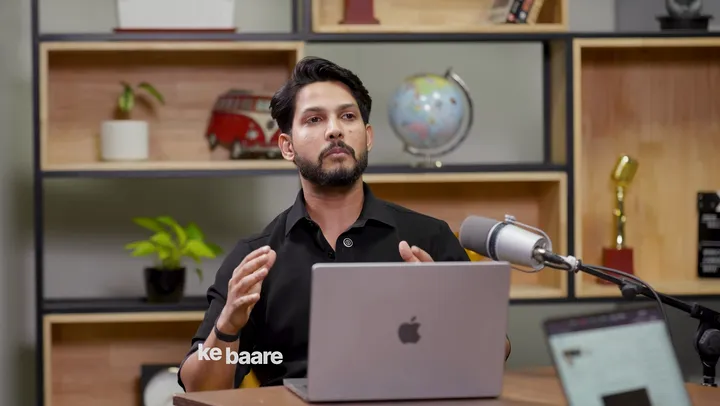
Captions have moved from an accessibility extra to a core part of the edit. Short videos often play on mute in the feed, so the words have to carry the message on their own.
The current style is two to five words at a time, highlighted as they are spoken, in the brand's own fonts and colours.
03Video podcasts and clips
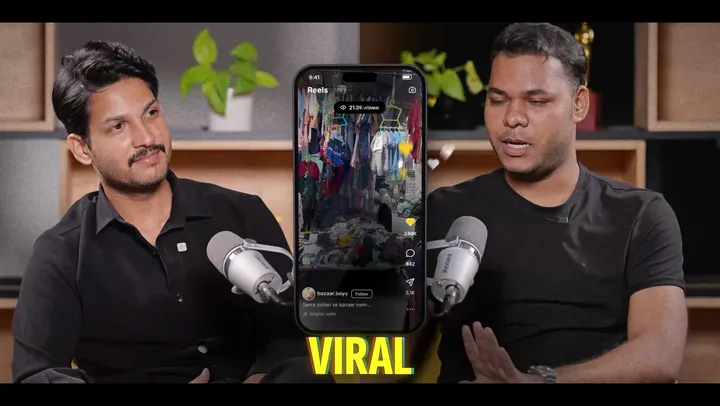
Podcasts are now usually filmed. A video podcast gives you a full episode for YouTube, an audio file for podcast apps and a week of short clips from one recording.
The edit cuts between cameras on who is speaking and how the other person reacts, which keeps an hour-long conversation watchable. We cover this in detail in video podcast trends.
 Our servicePodcast editingSee how we edit podcasts
04Punch-ins and jump cuts for pace
Talking-head videos are getting tighter. Pauses, breaths and retakes are removed, and the frame scales in slightly on the lines that matter. These small zooms work like an underline.
The key is restraint. A punch-in on every sentence feels restless, while one on each key point keeps the energy up without tiring the viewer.
05Lo-fi, phone-shot authenticity
Audiences trust videos that feel real. Many brands now shoot on a phone and rely on the edit for polish: clean sound, steady framing, good colour and clear captions.
This lowers the cost of every video and makes it easier to publish often. Sound is the one thing not to compromise on, because people forgive average picture far more easily than poor audio.
06AI-generated scenes, finished by editors
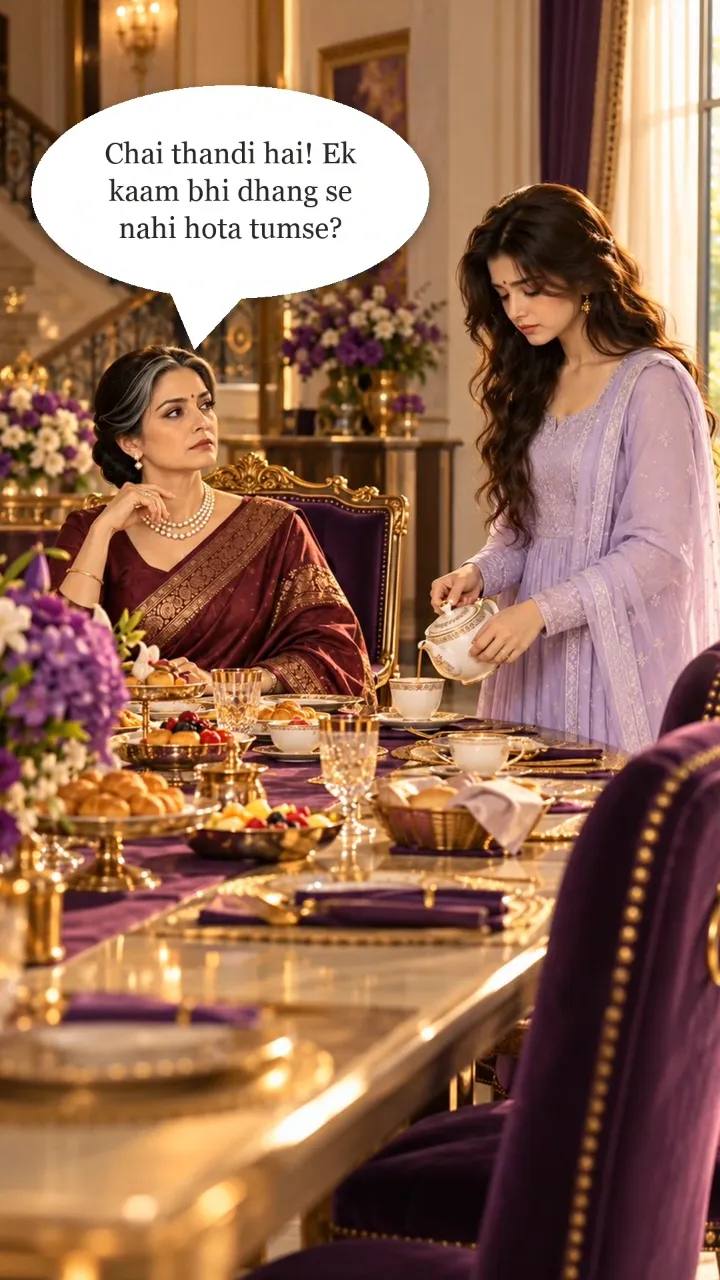
AI tools can now create scenes that would be expensive or impossible to film, such as a festive celebration, a product in an imagined setting or a story told in a distinct art style.
The trend is not AI replacing editing. It is AI producing raw material that an editor shapes into a story, with timing, sound design and a consistent look. Read more in what AI can and cannot do.
Want this done for your videos?
Send us your footage and a short brief. We reply within one working day with a plan, a price and a delivery date.
07Faceless explainers
Faceless videos are built from a script or voiceover, with stock footage, screen recordings, motion graphics and captions instead of a person on camera. They suit brands and creators who want to publish often without filming.
The best faceless videos match a visual to every line of the script, so the video never stalls. See the styles that work in faceless YouTube video editing.
08Motion graphics that explain
Simple animated text, icons, maps and charts are replacing long spoken explanations. A number that animates on screen is remembered better than one that is only said.
The current style is clean and minimal: a few brand colours, one font family and motion that supports the point instead of decorating it.
09One edit, every format
Brands now plan every video for several platforms at once. One edit is exported in different shapes, each checked for its platform:
Planning this before the shoot matters. Framing with space around the speaker makes the vertical crop easy later.
10How to choose the right trends for your brand
No brand needs every trend. Start with three questions:
- Where will the video run? Reels reward fast hooks, while YouTube rewards depth.
- What do you already record? A weekly podcast suggests clips; a product catalogue suggests motion graphics or AI scenes.
- What should people remember? Choose the style that makes that one point clearest.
Then keep your look consistent. Trends change, but viewers should still recognise your videos in the feed.
Frequently asked questions
What is the biggest video editing trend in 2026?
Editing one recording into many formats: a full video, short clips and vertical versions, each with its own hook and captions.
Do I need to follow every trend?
No. Pick the two or three styles that suit your platform and your audience, and keep your look consistent.
Are AI tools replacing video editors?
No. AI speeds up some steps and can create scenes, but story, pacing, sound and judgement still come from the editor.
How often should a brand update its editing style?
Review it every few months. Update hooks and formats as platforms change, but keep your fonts, colours and overall look the same.